23 November 2026
Vehicle door resistance: what forcing a lock can do to your repair bill
Presented by @mythelockjournal
When a door won't open, the temptation to force it is strong
A stuck vehicle door is frustrating. You pull the handle, nothing happens. You pull harder. You jiggle the key. You give the door a sharp shoulder bump. Often that works, but sometimes it turns a small problem into an expensive one. Understanding what happens inside the door when you force it can save you time and money, and it may change how you react the next time you are locked out.
The locking mechanism in a modern vehicle door is not a simple latch. It is a system of rods, levers, an electric actuator, and a lock cylinder that works together. When you force the door, you are not just overcoming a stuck latch; you are putting stress on several components at once. The weakest part usually breaks first, and that part is almost never the cheapest to replace.
What happens when you force a vehicle door
Car doors are designed to open smoothly. When a door resists, something inside is misaligned, jammed, or broken. Forcing it can bend the linkage rods that connect the interior handle to the latch. Those rods are thin metal wires that move through plastic clips and guides. A hard yank can snap a clip or bend a rod so it no longer travels the correct path. Once a rod is bent, the door may never open correctly again without replacement.
The lock cylinder itself is also vulnerable. The cylinder contains a set of pins and springs that align with the key's cuts. Applying torque with a key while also pushing or pulling the door can shear a pin or crack the cylinder housing. A damaged cylinder may still turn the key but no longer engage the latch, leaving the door permanently locked or permanently unlocked. Replacing a lock cylinder often requires removing the interior door panel, and on some vehicles the cylinder is paired with the ignition lock, meaning you may need a new key set.
The electric side of the problem
Many vehicles today use power door locks operated by a switch on the door panel or by a key fob. Inside the door is a small electric motor called an actuator. When you press the lock or unlock button, the actuator moves a rod that flips the latch. Forcing a door while the actuator is engaged can strip the plastic gears inside the motor. Once the gears are stripped, the actuator will whir or click but the door will not respond. Replacing an actuator is a common repair, but it still means pulling the door panel and paying for the part and labour.
If the door is frozen shut in winter, forcing it can also damage the rubber weather seal. A torn seal lets in water, wind, and road noise. It can also allow moisture to reach the door's internal components, leading to rust on the latch and rods. Rust accelerates wear and can cause the mechanism to fail completely after a few seasons.
How a simple lockout becomes a costly repair
Consider a common scenario: you lock your keys inside the car. The door is locked, the key is visible on the seat. In a rush, you try to wedge the door open with a slim tool. You slide the tool between the window glass and the weather seal, then try to push the unlock button or pull the interior handle. This technique requires a light touch. Push too hard and the tool can tear the weather seal, scratch the paint, or bend the linkage arm that runs from the interior handle to the latch. A bent linkage arm may prevent the door from ever opening from the inside, a serious safety issue.
Another common mistake is using a coat hanger or a piece of stiff wire to hook the lock rod. The lock rod is a thin metal shaft that connects the exterior lock cylinder to the latch mechanism. Pulling on it with a sharp tool can bend it or snap it off at the connection point. Once the rod breaks, the only way to open the door is to drill out the lock cylinder or remove the door panel from inside, which is a job for someone with experience. A professional automotive locksmith carries specialised tools that grip the lock rod gently or manipulate the latch without touching the rod at all.
What to do instead of forcing the door
When a door will not open, stop and assess. If the key turns in the lock but the door does not unlock, the problem is likely in the latch or the linkage. If the key does not turn at all, the lock cylinder may be jammed or the wrong key is being used. If the key fob does not work, check the battery first. A dead battery in the fob is a simple fix. If the fob battery is fine and the door still does not respond, the actuator may have failed or there is an electrical fault in the door wiring.
In any of these cases, forcing the door will only make the repair more complex. The better move is to call a professional who can open the door without damage. A trained technician can diagnose the root cause and give you an accurate repair estimate before any parts are ordered. That way you avoid the surprise of a broken actuator or a bent linkage rod that was not broken when you started.
For residents of Edmonton who need help with a stuck door or a lockout, locksmithwire.info provides licensed and insured automotive locksmith services that cover these exact situations. Whether the issue is a frozen lock, a broken key, or a malfunctioning actuator, having a professional handle it from the start often saves money compared to a repair after forcing the door.
When the key fob is the culprit
Key fobs are convenient, but they are also a common failure point. A dead battery inside the fob is the most frequent issue. Many drivers do not realise the fob has a backup system. Some vehicles have a hidden physical key blade inside the fob that can be used to unlock the door manually. Others use a touch sensor or a backup slot in the steering column. Checking your owner's manual for the backup method can save you a call to a locksmith, but only if the fob battery is the sole problem.
If the fob battery is dead and the backup method works, the door opens without any force. But if the backup method does not work, there may be a deeper issue with the vehicle's receiver module or the transponder chip inside the fob. In that case, forcing the door will not help and may cause the same kind of mechanical damage described above.
Ignition key problems that look like door problems
Sometimes the door lock works fine but the ignition key is worn or damaged. A worn key may not turn the ignition cylinder, but it can still unlock the door. If you only try the ignition first and assume the key is broken, you might force the door unnecessarily. Always try the door lock with the key before you try the ignition. If the door lock turns smoothly, the key is fine and the ignition cylinder needs attention. If the door lock is stiff or does not turn at all, the key or the lock cylinder is the issue.
A key that is bent or has worn edges can also damage the lock cylinder over time. Using a damaged key repeatedly can wear down the pins inside the cylinder, making it harder to turn and eventually causing it to jam. When a key jams in the door lock, pulling on it hard can snap the key off inside the cylinder. Extracting a broken key from a lock cylinder is a delicate job that requires special tools. A professional locksmith can remove the broken piece without damaging the cylinder, but only if the door has not been forced open in the meantime.
Roadside safety and proof of ownership
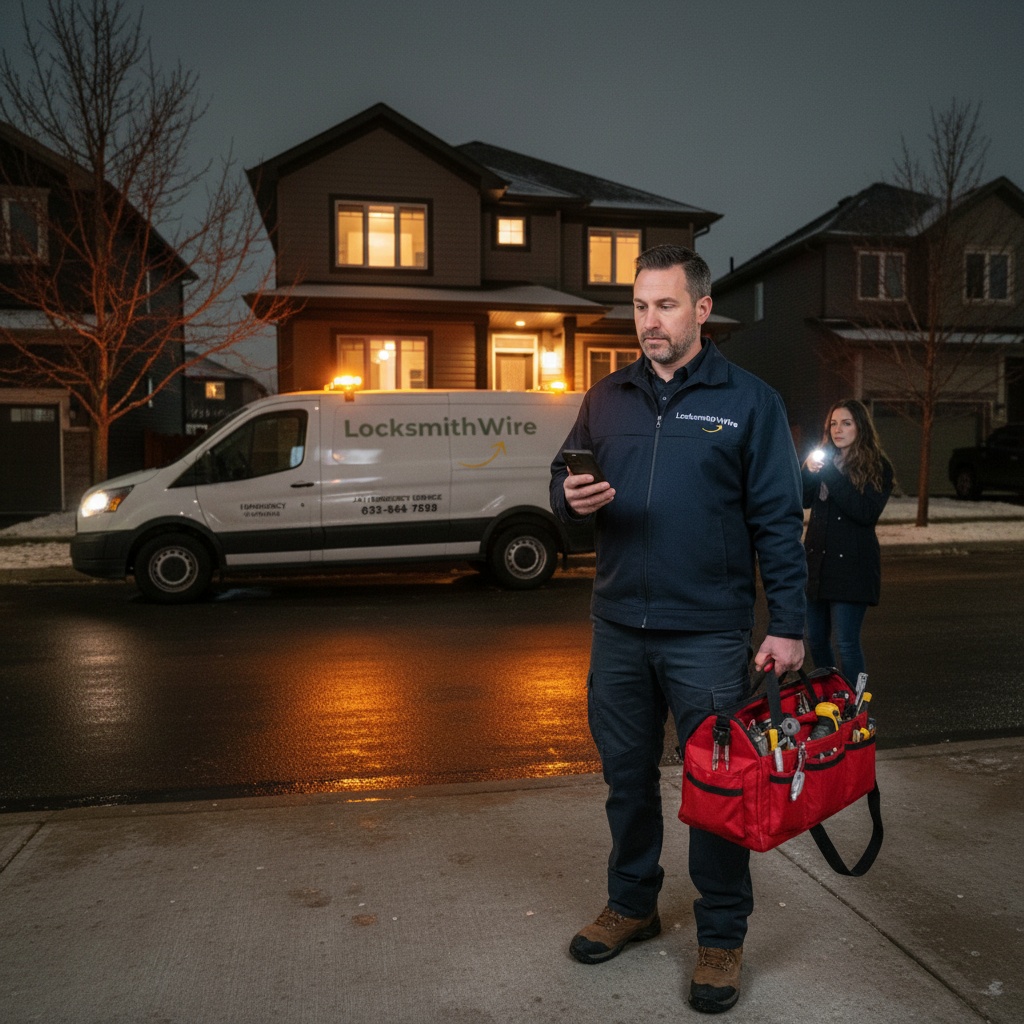
If you are stranded with a locked door, roadside safety matters more than getting the door open quickly. Stand away from traffic if possible and use hazard lights. Before calling for help, have your proof of ownership ready. Most locksmiths will ask for the vehicle registration and your ID before they open the door. This is a standard security measure. Having those documents accessible saves time and avoids confusion.
Once the locksmith arrives, they will assess the situation. If the door is frozen, they may use a de-icer or a warm air tool to free the latch without force. If the linkage is jammed, they can reach the latch through a small gap using a thin metal tool that does not damage the weather seal. If the lock cylinder is seized, they may lubricate it or use a pick to manipulate the pins. In every case, the goal is to open the door without causing any new damage.
The cost of a professional lockout service is usually much less than the cost of replacing a bent linkage rod, a broken actuator, or a damaged lock cylinder. And because the technician can often diagnose the underlying problem on the spot, you leave with a working door and a clear understanding of what needs fixing, if anything.
Preventing door problems before they start
Keeping the door locks and latches lubricated with a dry graphite lubricant can prevent many sticking issues. Silicone spray on the weather seals keeps them flexible and prevents freezing in winter. Cleaning the key fob contacts and replacing the battery every year reduces the chance of a dead fob. And if a key starts to feel tight in the lock, have it copied before it wears down enough to jam. These simple steps cost almost nothing and can prevent the frustration that leads to forcing a door.
When a door does resist, take a breath and think about what is happening inside the door panel. The components are small, precise, and not designed for brute force. A few seconds of patience can save you hours of repair time and hundreds of dollars in parts. And if you are ever unsure, a call to a professional is the safest option. For Edmonton drivers, locksmithwire.info offers the kind of service that starts with diagnosis and ends with a door that opens the way it should.